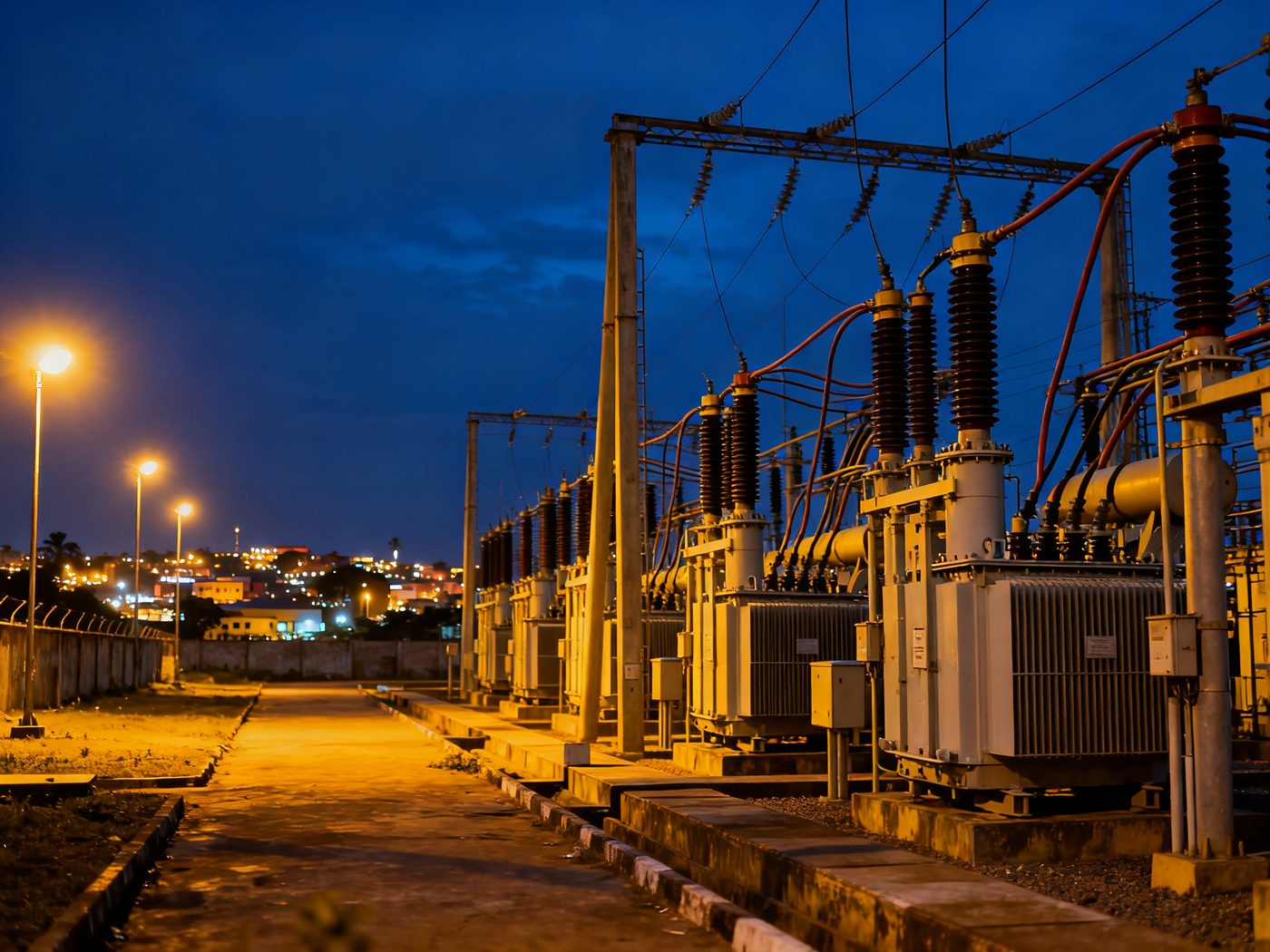
State electricity markets
States may establish, regulate and operate markets inside their own jurisdictions. Intrastate generation, transmission and distribution included.

Thirty-six states and the FCT can now build their own electricity markets. Almost none of them can license, tariff or connect a project yet. That gap is the whole agenda.

The Act devolved the power. Turning that into a working market takes institutions, licences, tariffs and money, in that order.
Autonomy is not automatic. Each provision below only becomes real through an institution, a licence, a tariff and a bankable project.
States may establish, regulate and operate markets inside their own jurisdictions. Intrastate generation, transmission and distribution included.

State Electricity Regulatory Commissions, licensing frameworks, tariff methodology and consumer protection, built from a standing start.
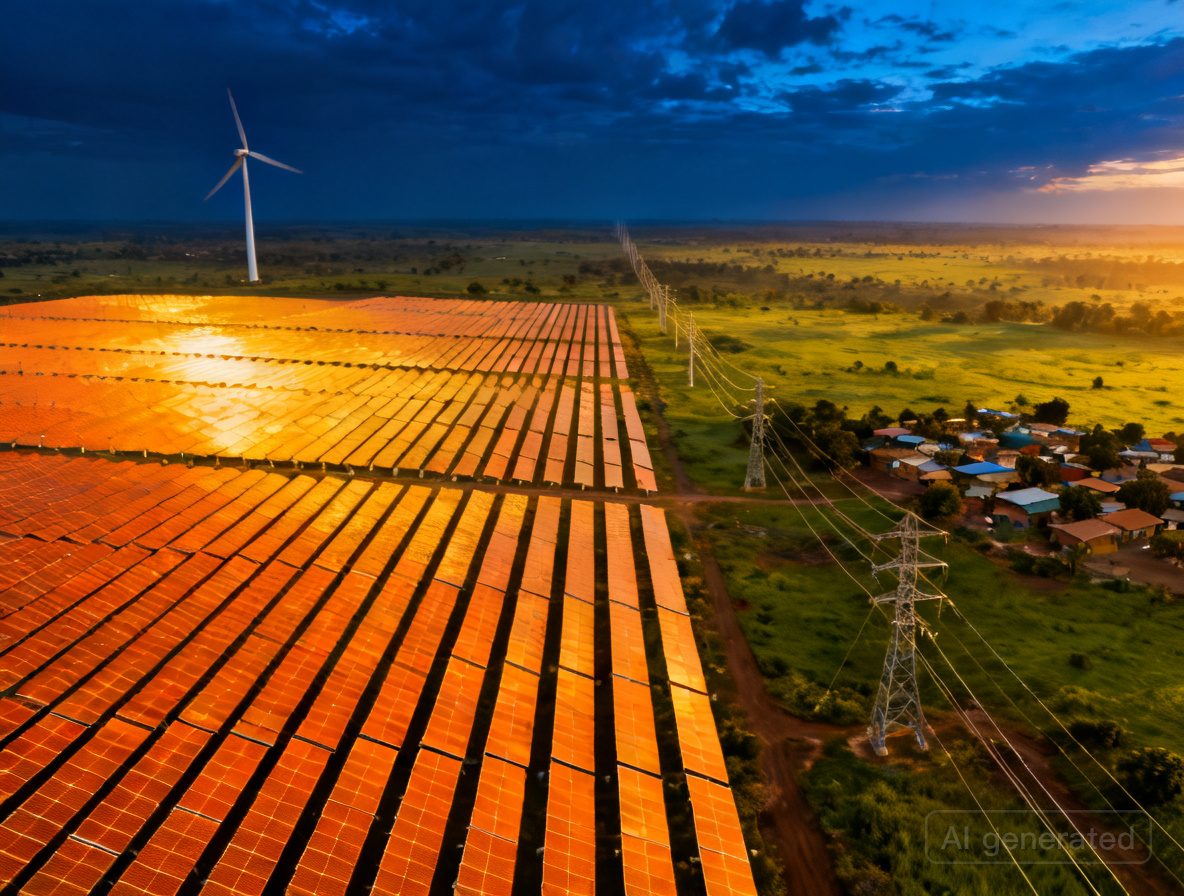
Embedded generation, mini-grids, renewables, industrial clusters and captive power. Each one needs a state-level route to market.
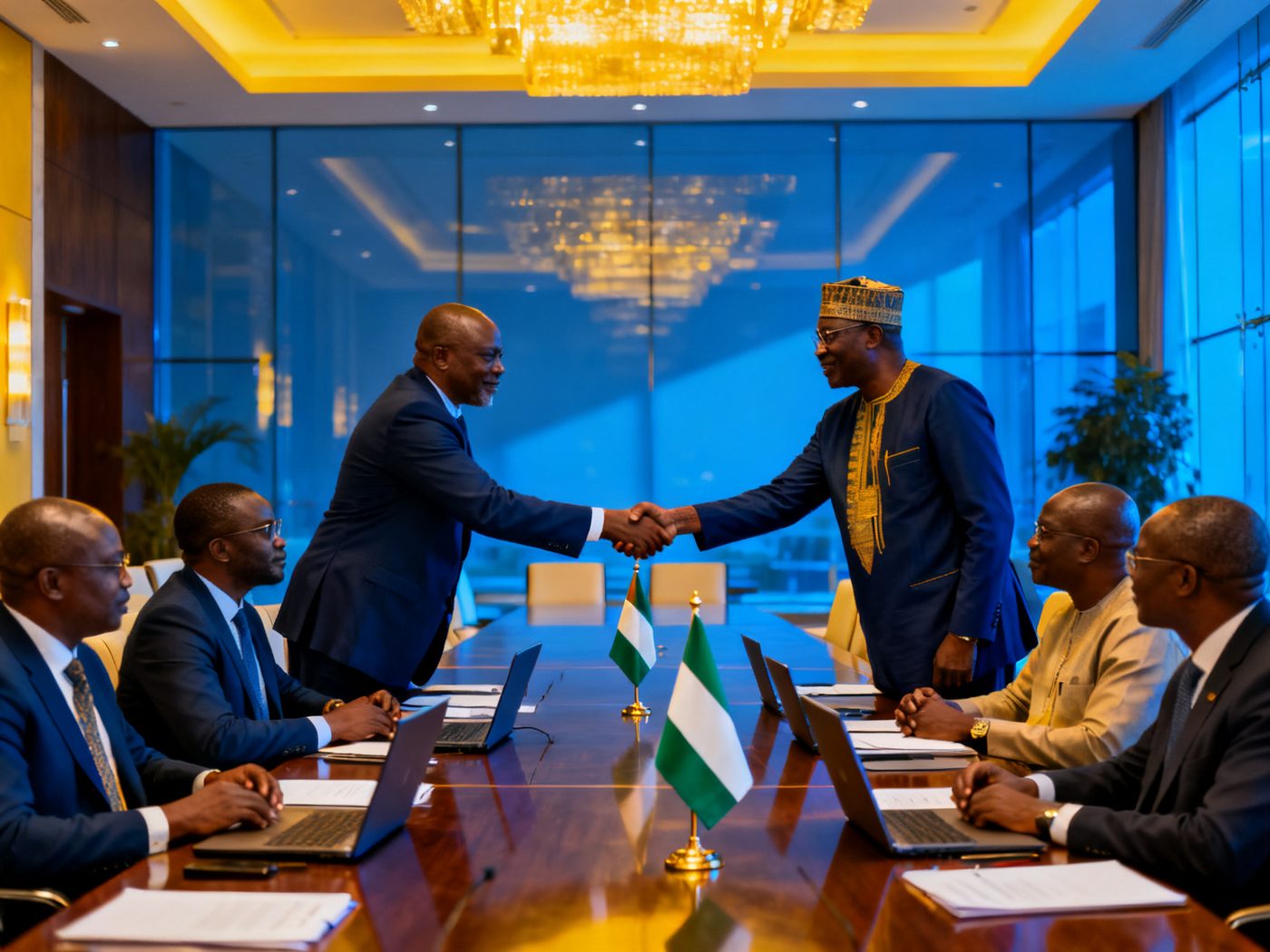
Division of powers, transition pathways and constitutional implications, with NERC, NISO and the Ministry of Power in the room.
Tap a node to latch your state.
Every state now decides on its own how fast its market comes alive, and who is allowed to build in it. This workshop exists so those decisions get made with the same facts, in the same room, in the same two days.
A State Electricity Regulatory Commission, a bureau, and the instruments that give them force.
Licensing, tariff methodology, market rules and consumer protection that an investor can read.
Offtake structures, PPP models and risk mitigation that survive diligence.
Transition pathways agreed with NERC, NISO and the Federal Ministry of Power.
Over 300 senior participants across the Presidency, federal ministries, state governments, regulators, developers, financiers and the legal community.
 Priority 1
Governors and deputies, Commissioners for Energy and Power, Attorneys-General, State Electricity Bureaux and new State Regulatory Commissions.
“We have the mandate. What do we stand up first?”
 Priority 1
GenCos, DisCos, mini-grid and renewable developers, embedded generation and captive power sponsors, manufacturers behind the meter.
“Which state can license my project this year?”
 Priority 2
Commercial banks, development finance institutions, green finance desks, risk-mitigation providers and international development partners.
“Is the state offtake bankable yet?”
 Priority 2
Energy law practices, NERC and NISO teams, ICRC and PPP units, academia and industry associations shaping the transition rules.
“Where does federal power end and state power begin?”
 Sponsors
Organisations that want their name on the reform: exhibition presence, a speaking slot, and two days of direct access to decision-makers.
“Put us in front of 36 states at once.”
Delegate passes are free, and every pass carries a name. Register each person in your delegation separately.
Register freeUnderstanding the New Electricity Landscape · Wednesday 21 October 2026
Accreditation and distribution of event materials.
Opening prayer · National anthem · Welcome address by His Excellency, the Vice President of the Federal Republic of Nigeria.
Honourable Minister of Power.
Key provisions · division of federal and state powers · constitutional implications · licensing and regulatory authority · transition pathways for States.
Establishing State Electricity Regulatory Commissions · licensing frameworks · tariff-setting · consumer protection · market governance.
Selected Governors, Deputy Governors and Commissioners for Energy on opportunities and challenges, reform priorities and investment requirements.
Experiences of States already implementing electricity reforms.
From Policy to Implementation · Thursday 22 October 2026
Embedded generation · mini-grids · renewable energy projects · industrial clusters · captive power.
Infrastructure financing · public-private partnerships · green financing · development finance · risk mitigation instruments.
Developing practical roadmaps for state electricity market implementation. A professionally facilitated plenary — moderators guide structured discussion with contributions from State Governments, regulators, investors and development partners.
Remarks by the Chairman, Nigerian Governors' Forum and the Honourable Minister of Power · Vote of thanks.
His Excellency, the Vice President of the Federal Republic of Nigeria.
Sequenced actions for standing up a state electricity market.
Provisions, powers and transition pathways, explained by the people applying them.
Direct working contact between State teams, NERC, NISO and the Ministry.
Developers and operators matched to states actively opening their markets.
Introductions across DFIs, commercial banks and risk-mitigation providers.
Consensus recommendations drawn from the plenary, published after the event.
A standing channel between the Presidency, States and the market.
Event photography, video documentation and a post-event report.
The line-up is being confirmed. Named participants are drawn from the approved programme.
Legal expert. Paper presentation on state-led electricity development, Day One.
ConfirmedElectricity market expert. Panel on building functional state markets, Day One.
ConfirmedKeynote address, Day One. Closing remarks, Day Two.
To be announcedGoodwill message and regulatory panel, Day One.
To be announcedGoodwill message and closing remarks.
To be announcedPanel on state electricity autonomy under the Act.
To be announcedTwo days of direct engagement with Federal and State decision-makers, investors and development partners, under the auspices of the Office of the Vice President.
Sponsor visibility runs across the national campaign, the venue build and every delegate touchpoint.
A sponsorship agreement and invoice are issued by the secretariat on confirmation.
 Federal Ministry of PowerFMP
 Nigerian Electricity Regulatory CommissionNERC
 Nigeria Governors' ForumNGF
 Nigerian Independent System OperatorNISO
 Bureau of Public EnterprisesBPE
 Infrastructure Concession Regulatory CommissionICRC
 Federal Ministry of JusticeFMoJ
 AMPSL Strategy LimitedOrganiser
The Workshop is held inside the Presidential Villa. Entry is by accreditation only. Every delegate must be registered in advance, and photo identification matching the registration is required at the gate.
Passes are not transferable. One pass per named delegate. Registration data is processed for Presidential Villa accreditation only.
Register once and your details are processed for Villa accreditation. You receive a QR pass, scanned at the gate and at the hall on both mornings.
Submit the form. One entry per delegate.
We verify against your institution and confirm by email.
Your QR pass arrives ahead of 21 October. Bring photo ID.